Does Ozempic Cause Hair Loss in Women? What to Expect
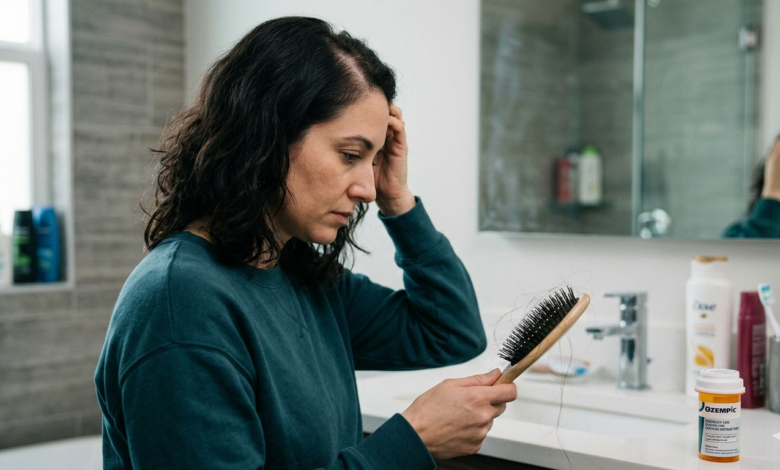
If you’ve been taking Ozempic and recently noticed more hair collecting in your shower drain or on your brush, you’re not imagining things — and you’re far from alone. Across online forums, social media groups, and doctors’ waiting rooms, women on Ozempic are increasingly raising the same concern: Is this medication making my hair fall out?
The short answer is yes, hair thinning can happen while on Ozempic — but the full story is more nuanced than a simple cause-and-effect. Understanding exactly what’s going on, why it happens, and what you can do about it can save you a lot of anxiety and help you make more informed decisions about your treatment.
Let’s break it all down.
What Is Ozempic and Why Are So Many Women Using It?
Ozempic (semaglutide) is an injectable medication originally developed to manage blood sugar in people with type 2 diabetes. It works by mimicking a natural hormone called GLP-1 (glucagon-like peptide-1), which helps regulate blood sugar, slows gastric emptying, and — crucially — suppresses appetite.
In recent years, Ozempic has become one of the most prescribed medications in the United States, not just for diabetes but for weight loss. Women in particular have turned to it as a tool for managing obesity, PCOS-related weight gain, and weight that hasn’t responded to lifestyle changes alone, if Ozempic is used appropriately.
Clinical trials like the SUSTAIN and STEP series showed that semaglutide helped participants lose 10–15% of their body weight on average, making it one of the most effective pharmacological weight-loss tools ever approved. However, with rapid, significant weight loss comes a side effect that few people anticipate: hair shedding.
Does Ozempic Directly Cause Hair Loss?
Here’s where the science gets interesting. The FDA’s official side effect list for Ozempic does not include hair loss as a direct drug effect. However, the clinical trial data for Wegovy — the higher-dose version of semaglutide approved specifically for weight management — does list alopecia (hair loss) as an adverse event occurring in roughly 3% of participants.
So what does that mean for Ozempic users?


It means the hair loss most women experience is likely not a direct pharmacological effect of the drug itself. Instead, it’s a consequence of rapid weight loss and the physiological stress that comes with it. The medical term for this type of hair shedding is telogen effluvium — and it’s one of the most commonly misunderstood hair conditions among women undergoing significant weight changes.
Understanding Telogen Effluvium: The Real Culprit.
Your hair grows in cycles. At any given moment, about 85–90% of your hair is in the active growth phase (anagen), while the remaining 10–15% are in a resting phase (telogen) before they naturally fall out and get replaced.
When your body experiences a significant physical stressor — illness, surgery, childbirth, or rapid weight loss — it can shift a large percentage of hair follicles prematurely into the telogen (resting) phase. About two to three months after the stressor occurs, all those resting hairs shed simultaneously, causing noticeable thinning across the scalp.
This is exactly what happens with Ozempic-related hair loss. The medication isn’t attacking your follicles directly — rather, your body is responding to the dramatic caloric restriction and rapid weight reduction by redirecting energy away from non-essential functions like hair growth.
The pattern typically looks like this:
- Month 1–2 on Ozempic: Hair looks normal
- Month 3–4: Shedding begins to increase, often noticeably
- Month 4–6: Peak shedding phase — this is when most women become alarmed
- Month 6–12: Shedding gradually slows as the body adapts to the new weight
For most women, hair loss from telogen effluvium is temporary. Once the body stabilizes and you’re maintaining rather than actively losing weight, the follicles return to the growth phase, and hair begins to fill back in.
Other Contributing Factors Specific to Women.
Women are particularly vulnerable to hair loss during Ozempic treatment for a few additional reasons that go beyond simple weight loss stress.
Nutritional Deficiencies
Ozempic works partly by making you feel full quickly and reducing your appetite significantly. For women who are already consuming fewer calories, this can lead to inadequate intake of hair-critical nutrients:
- Protein: Hair is made of keratin, a protein. If your total protein intake drops significantly while on Ozempic, your follicles have less raw material to work with. Many women on GLP-1 medications don’t realize how little protein they’re actually consuming.
- Iron: Iron-deficiency anemia is already one of the leading causes of hair loss in premenopausal women. Reduced food intake can worsen existing marginal iron levels.
- Zinc: This mineral plays a key role in hair tissue growth and repair. Low zinc is strongly associated with telogen effluvium.
- Biotin and B vitamins: While biotin deficiency is less common, the overall reduction in food variety can affect B-vitamin status over time.
Hormonal Fluctuations:
Significant fat loss alters estrogen metabolism. Since fat tissue produces and stores estrogen, losing a large amount of fat relatively quickly can lead to temporary hormonal shifts. In women who are perimenopausal or already dealing with hormonal sensitivities, this can compound the hair shedding effect.
Stress and Sleep Changes:
Adapting to a new medication, a changing body, and often a dramatically different relationship with food is psychologically demanding. Chronic psychological stress is itself a well-established trigger for telogen effluvium. Poor sleep — which often accompanies major life changes — further disrupts the hormonal balance that supports hair health.
What Hair Loss from Ozempic Actually Looks Like.
Not all hair loss presents the same way, and knowing what to look for can help you distinguish Ozempic-related shedding from other potential causes.
Signs consistent with telogen effluvium from Ozempic:
- Diffuse thinning across the entire scalp (not patchy)
- Hair coming out in larger-than-usual amounts when washing or brushing
- Noticeable shedding starting roughly 2–4 months after beginning the medication
- Hair quality remaining roughly the same — just less of it
- No bald spots or specific pattern of loss
Signs that warrant a separate evaluation:
- Patchy hair loss or circular bald spots (possible alopecia areata)
- Receding hairline at the temples (possible androgenic alopecia)
- Hair loss accompanied by significant fatigue, cold intolerance, or weight gain despite the medication (possible thyroid issue)
- Sudden onset not correlated with medication timing
If you’re unsure which category you’re in, a visit to a dermatologist — ideally one who specializes in trichology (hair and scalp health) — is worthwhile.
What to Do If You’re Losing Hair on Ozempic.
The good news: there are concrete, evidence-supported steps you can take to minimize shedding and support faster regrowth.
1. Prioritize Protein — More Than You Think You Need.
Most nutrition guidelines recommend 0.8 grams of protein per kilogram of body weight per day. But for women experiencing active weight loss and hair shedding, many clinicians suggest targeting 1.2–1.6 grams per kilogram of body weight — or at a minimum, 80–100 grams of protein daily.
Practical ways to hit this while your appetite is suppressed:
- Add protein powder to smoothies, oatmeal, or even soups
- Prioritize high-protein foods first at every meal (eggs, Greek yogurt, lean meats, legumes)
- Consider a high-protein meal replacement for days when eating feels difficult
2. Get Your Bloodwork Done
Ask your doctor to check:
- Ferritin levels (the storage form of iron — the most sensitive marker for iron-related hair loss)
- Serum iron and TIBC
- Thyroid panel (TSH, free T3, free T4)
- Vitamin D
- Zinc
- B12
Addressing any deficiencies with targeted supplementation can make a significant difference in both shedding rate and regrowth speed.
3. Be Gentle With Your Hair.
This isn’t the time for harsh chemical treatments, tight hairstyles, or aggressive heat styling. While these won’t cause the underlying telogen effluvium, they can worsen the appearance of thinning and cause additional mechanical breakage on top of the shedding.
Tips:
- Use a wide-tooth comb instead of a brush when hair is wet
- Avoid tight ponytails, buns, or extensions that pull on the scalp
- Air dry when possible, or use a diffuser on low heat
- Switch to a sulphate-free, gentle shampoo
4. Consider Topical Minoxidil
Minoxidil (the active ingredient in Rogaine) is one of the few topical treatments with genuine clinical evidence for promoting hair regrowth in women. It’s available over the counter in 2% and 5% formulations and works by extending the anagen (growth) phase of the hair cycle.
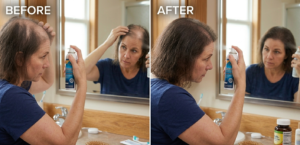
It won’t stop the telogen effluvium itself, but it can support faster regrowth once the shedding phase passes. Consult your doctor before starting, particularly if you have cardiovascular sensitivities.
5. Manage Stress and Sleep.
This might sound generic, but its importance in hair health specifically cannot be overstated. Chronic elevation of the stress hormone cortisol directly disrupts the hair growth cycle. Prioritizing 7–9 hours of sleep, incorporating stress-reduction practices (even 10 minutes of daily mindfulness), and maintaining social connection can collectively support the hormonal environment that hair follicles need.
6. Talk to Your Prescribing Doctor.
Don’t manage this alone. Your doctor should know that you’re experiencing hair loss — it’s relevant to your overall treatment picture. In some cases, they may suggest:
- Adjusting the pace of weight loss to reduce the severity of the physiological stress response
- Referring you to a dermatologist for further evaluation
- Reviewing your medication list for any other potential contributors
Will Hair Grow Back After Ozempic Hair Loss?
For the vast majority of women, yes — and this is perhaps the most important thing to understand.
Telogen effluvium is a self-limiting condition. Once the underlying trigger (in this case, rapid weight loss) stabilizes, the follicles return to the active growth phase on their own. Most women see a noticeable improvement in shedding within 6–12 months of their weight stabilizing.
Hair regrowth after telogen effluvium typically appears as shorter, finer hairs first — sometimes described as “baby hairs” around the hairline. Over 12–18 months, these hairs mature and the overall density of the scalp gradually returns to something closer to baseline.
The caveat: if you had any pre-existing androgenic alopecia (hereditary hair thinning) before starting Ozempic, the telogen effluvium may have unmasked or accelerated it. In that case, the hair that grew back may not fully restore to pre-medication density. This is another reason why working with a dermatologist is valuable if you’re concerned.
A Realistic Timeline: What to Expect Month by Month
Months 1–2: Typically, no change. Hair cycles have a built-in lag.
Months 2–4: Shedding begins. You may notice more hair in the drain, on your pillow, or coming out in clumps when you shampoo. This phase often causes the most alarm — but it’s also predictable.
Months 4–6: Peak shedding. Hair may appear noticeably thinner in volume. Thinning is usually diffuse rather than patchy.
Months 6–9: Shedding begins to slow as your body adjusts to its new weight set point.
Months 9–18: Gradual regrowth. New hairs appear at the hairline and crown. Density slowly improves.
18+ months: Most women report a return to near-baseline density, especially with proper nutritional support.
When to See a Doctor Urgently
While Ozempic-related hair loss is usually temporary and manageable, some situations warrant prompt medical attention:
- Hair loss is rapid and severe (losing more than 50% of density in a short period)
- You notice distinct bald patches rather than diffuse thinning
- Hair loss is accompanied by skin rashes, joint pain, or other systemic symptoms
- You suspect a thyroid disorder or other endocrine issue
- Hair hasn’t begun recovering after 12+ months of stable weight
Frequently Asked Questions
How common is hair loss on Ozempic in women specifically?
Clinical trial data for the higher-dose version (Wegovy) suggest approximately 3% of participants experienced hair loss. However, real-world reports suggest the actual rate may be higher, particularly among women losing weight rapidly.
Does hair loss from Ozempic mean I should stop taking it?
Not necessarily. For many women, the weight-loss benefits outweigh the temporary cosmetic side effect of hair thinning. This is a conversation to have with your prescribing physician, who can help you weigh the risks and benefits based on your individual health profile.
Can biotin supplements prevent Ozempic hair loss?
Biotin is aggressively marketed for hair health, but unless you have an actual biotin deficiency, the evidence for supplementation is weak. Protein, iron, and zinc are typically more relevant targets. That said, a comprehensive hair, skin, and nails supplement that includes biotin along with other nutrients is unlikely to cause harm.
Is hair loss worse with higher doses of semaglutide?
Some evidence suggests that faster, more aggressive weight loss correlates with more significant telogen effluvium. Since higher doses tend to produce more weight loss, there may be an indirect relationship — but this is not well-established in the research.
Does everyone on Ozempic lose hair?
No. Many women complete treatment with Ozempic without experiencing noticeable hair changes. Individual factors like pre-existing nutritional status, genetics, rate of weight loss, and overall health play significant roles.
The Bottom Line
Hair loss is a real and underacknowledged side effect of Ozempic treatment in women — but it’s almost always temporary, manageable, and tied to the physical stress of rapid weight loss rather than any direct toxic effect of the drug.
The most important things you can do are: eat enough protein, check your nutrient levels, be gentle with your hair, and give your body time. The vast majority of women who experience Ozempic-related hair shedding see meaningful regrowth within a year of their weight stabilizing.
If you’re currently in the thick of it — looking at a brush full of hair and wondering when it will stop — take a breath. This phase passes. Work with your doctor, support your body nutritionally, and know that what you’re experiencing is recognized, documented, and temporary.
This article is for informational purposes only and does not constitute medical advice. Always consult your healthcare provider before making changes to your medication or treatment plan.